Get Smoke Detector Service
Proudly Serving your area
To access Smoke Detector Service, complete the form to connect with professionals in Smoke Detector Service.
Assisting you with your Smoke Alarm Maintenance project is our primary focus. Skilled professionals are on standby to assist. Simply complete the form to connect with expert Smoke Alarm Maintenance specialists in the industry.
- Smoke detector installation
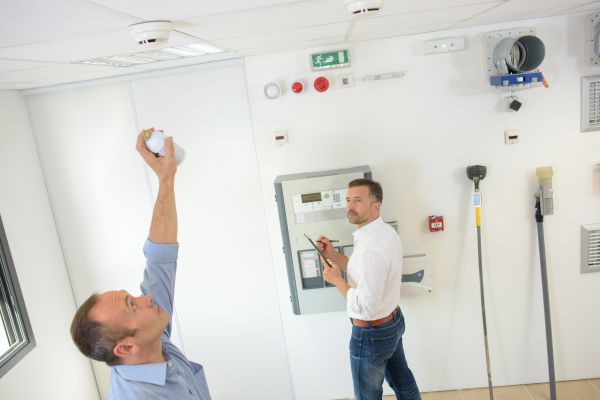
- Smoke detector maintenance
- Smoke detector testing
- Smoke detector repair
- Smoke detector battery replacement
- Smoke detector inspection
- Smoke detector troubleshooting
- Smoke detector upgrade
Assisting you with your Smoke Alarm Maintenance project is our primary focus. Skilled professionals are on standby to assist. Simply complete the form to connect with expert Smoke Alarm Maintenance specialists in the industry.
FAQ for Smoke Detector Service
1. How often should smoke detectors be tested and maintained?
- Smoke detectors should be tested once a month to ensure they are functioning properly. Additionally, they should be maintained according to the manufacturer's instructions.
2. What should I do if my smoke detector keeps beeping?
- If your smoke detector is beeping, it could indicate a low battery or a potential issue with the unit. Check the battery first and replace it if necessary. If the beeping persists, consider replacing the smoke detector.
3. Can smoke detectors be interconnected in a home?
- Yes, smoke detectors can be interconnected so that when one alarm detects smoke, all alarms in the interconnected system will sound. This provides enhanced safety by alerting occupants throughout the home.
4. How long do smoke detectors typically last before needing to be replaced?
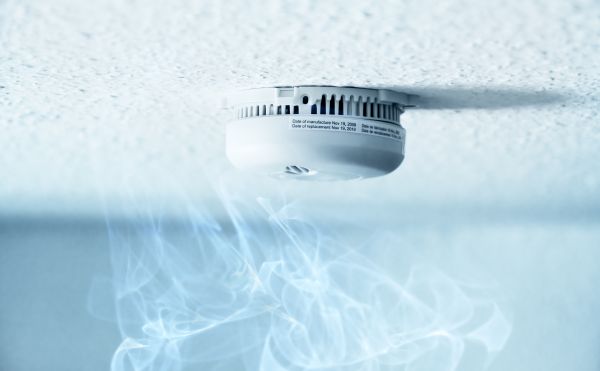
- Smoke detectors generally have a lifespan of 8-10 years. It is recommended to replace your smoke detectors after this time period to ensure optimal functionality and safety.
5. Are there different types of smoke detectors available?
- Yes, there are different types of smoke detectors, including ionization, photoelectric, and dual-sensor models. Each type has its own advantages and is suitable for different environments and types of fires.